Story
I
Twelve hundred years in the palm of a hand
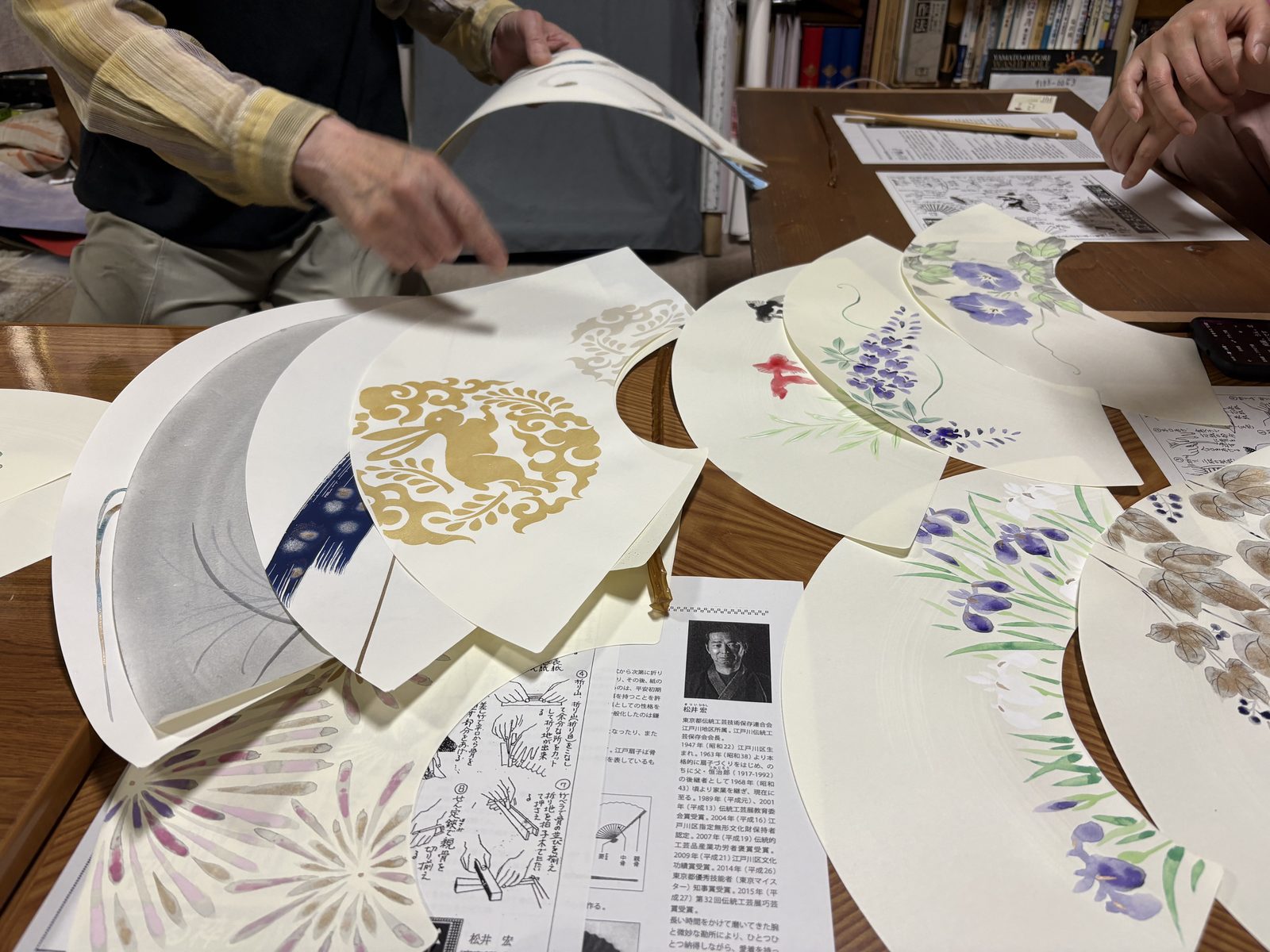
For twelve centuries, since the Heian period, the fan has done far more than move air. It has appeared at celebrations, in dance, in the tea room, and as a gift offered with both hands. A fan has always rested in the Japanese palm.
II
What makes an Edo fan
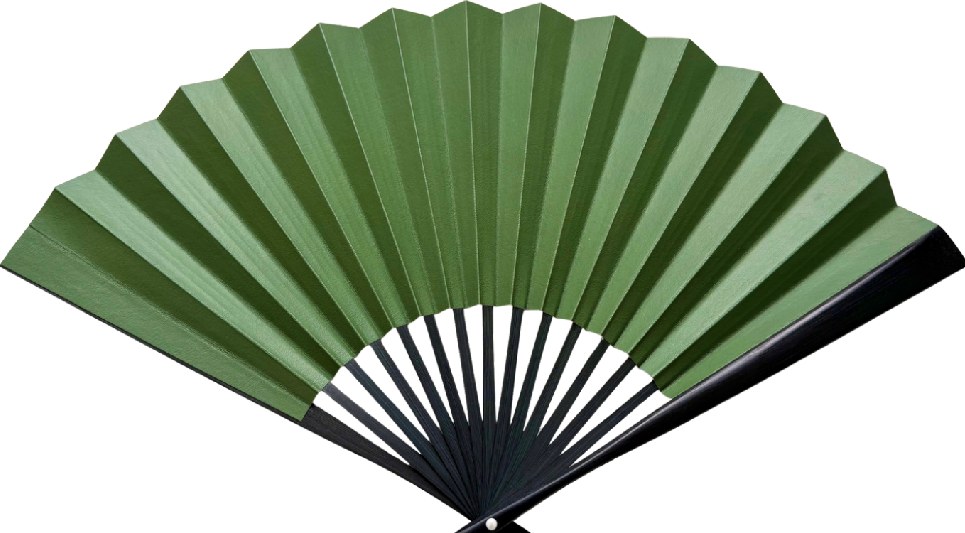
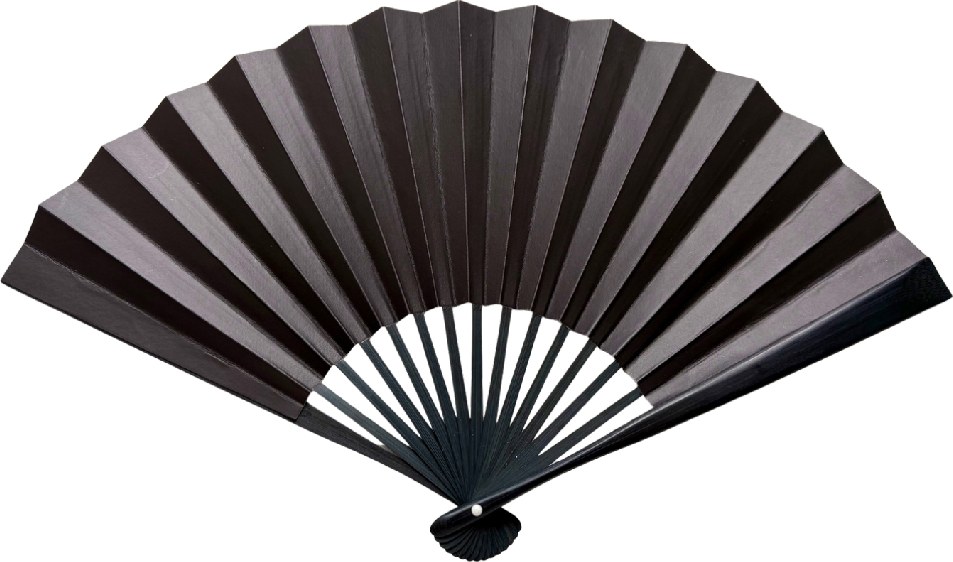
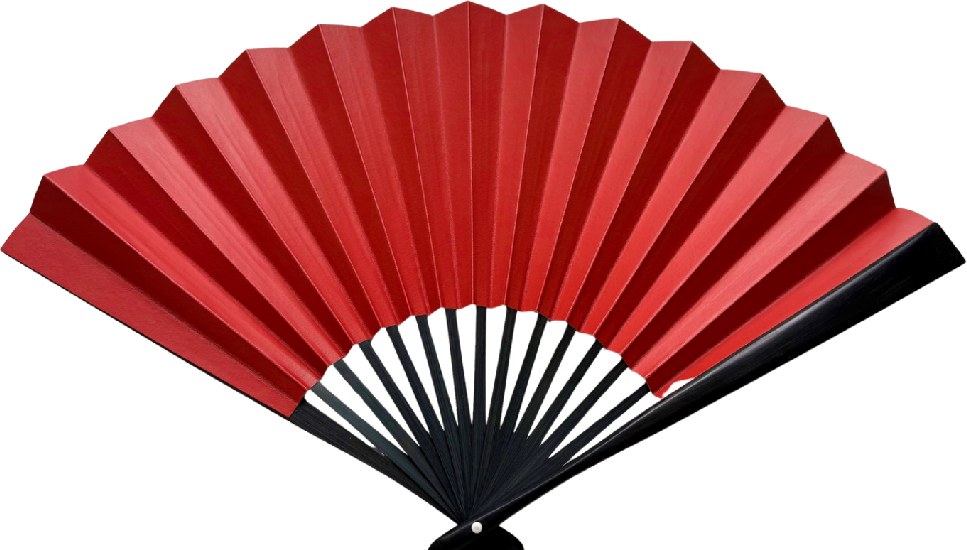
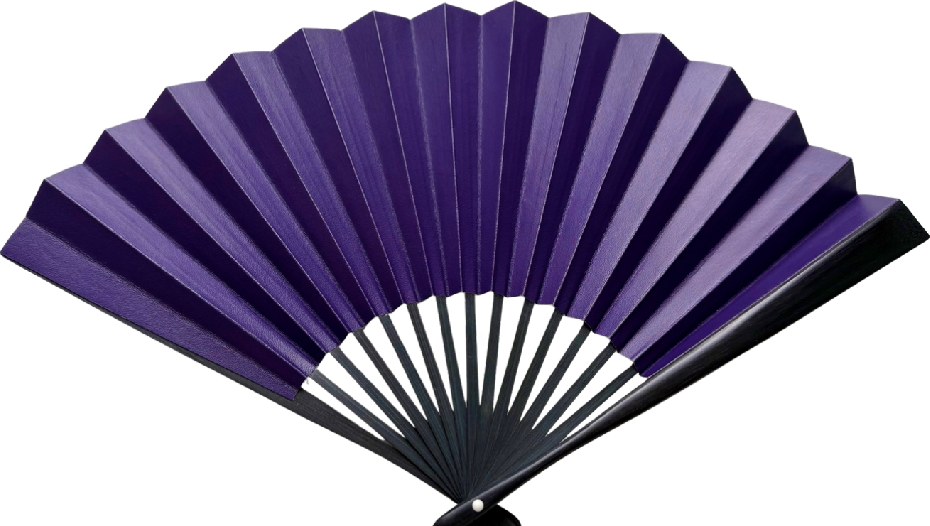
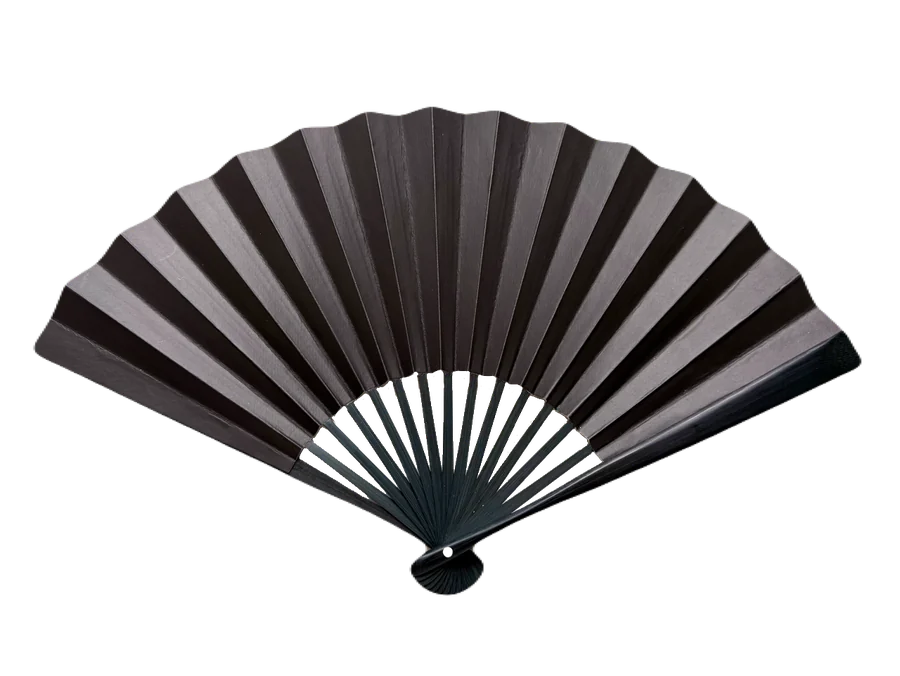
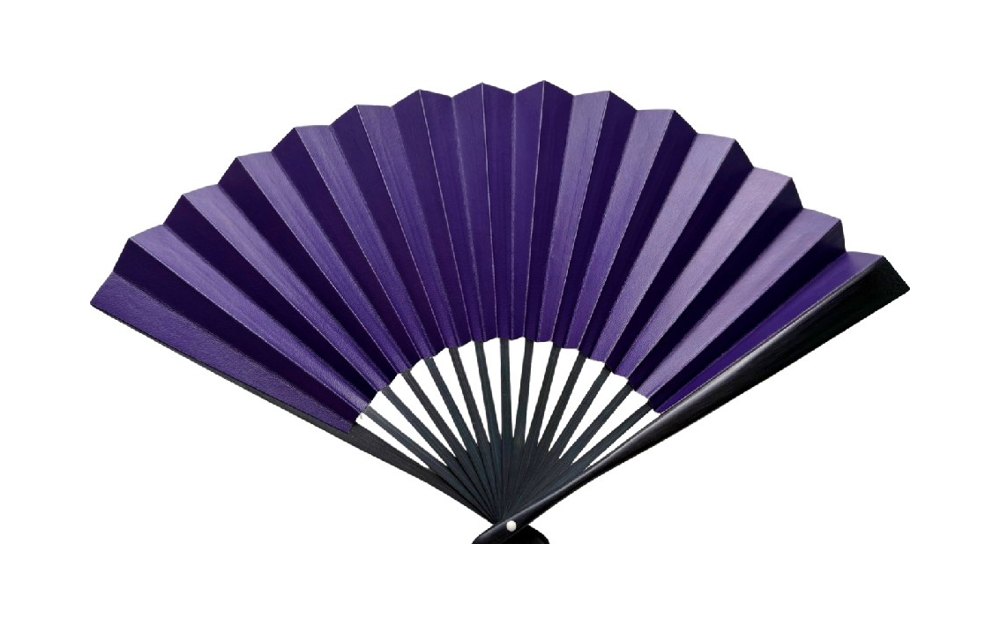
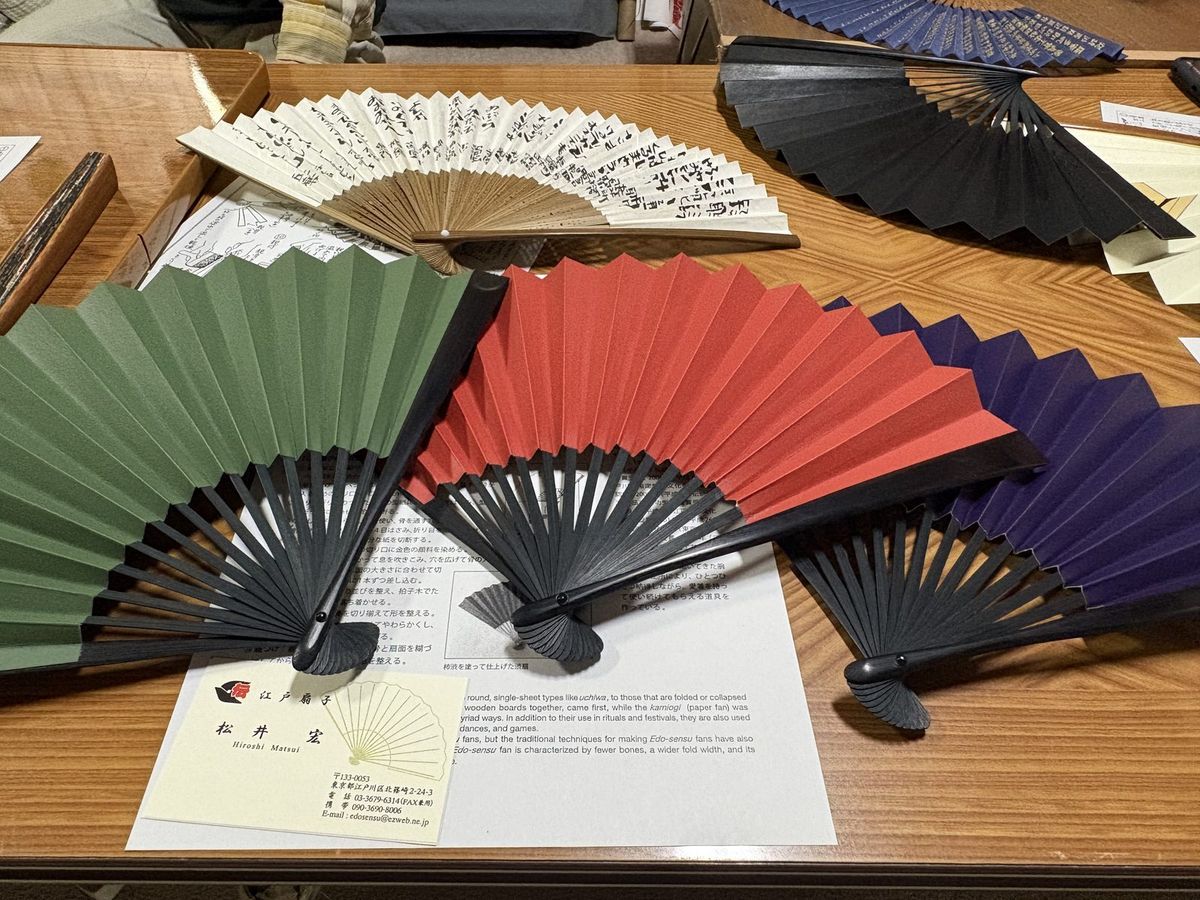
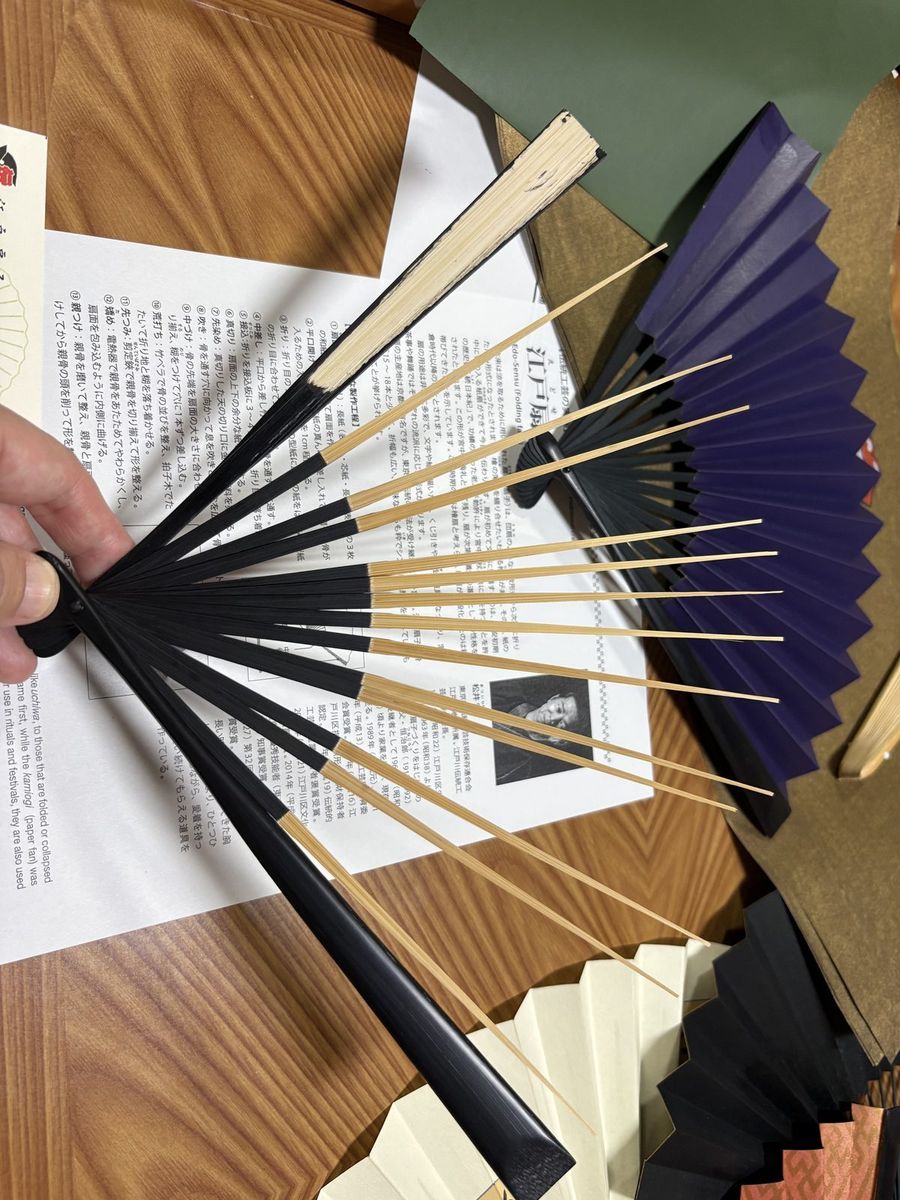
Edo is the old name for Tokyo. An Edo fan has fewer ribs than a fan from Kyoto, and each rib is thicker — plain, and quietly strong. Close one, and it snaps shut with a clear, crisp sound. That sound is possible only because the ribs are built this way.
III
In Edogawa, only one artisan still carries this craft
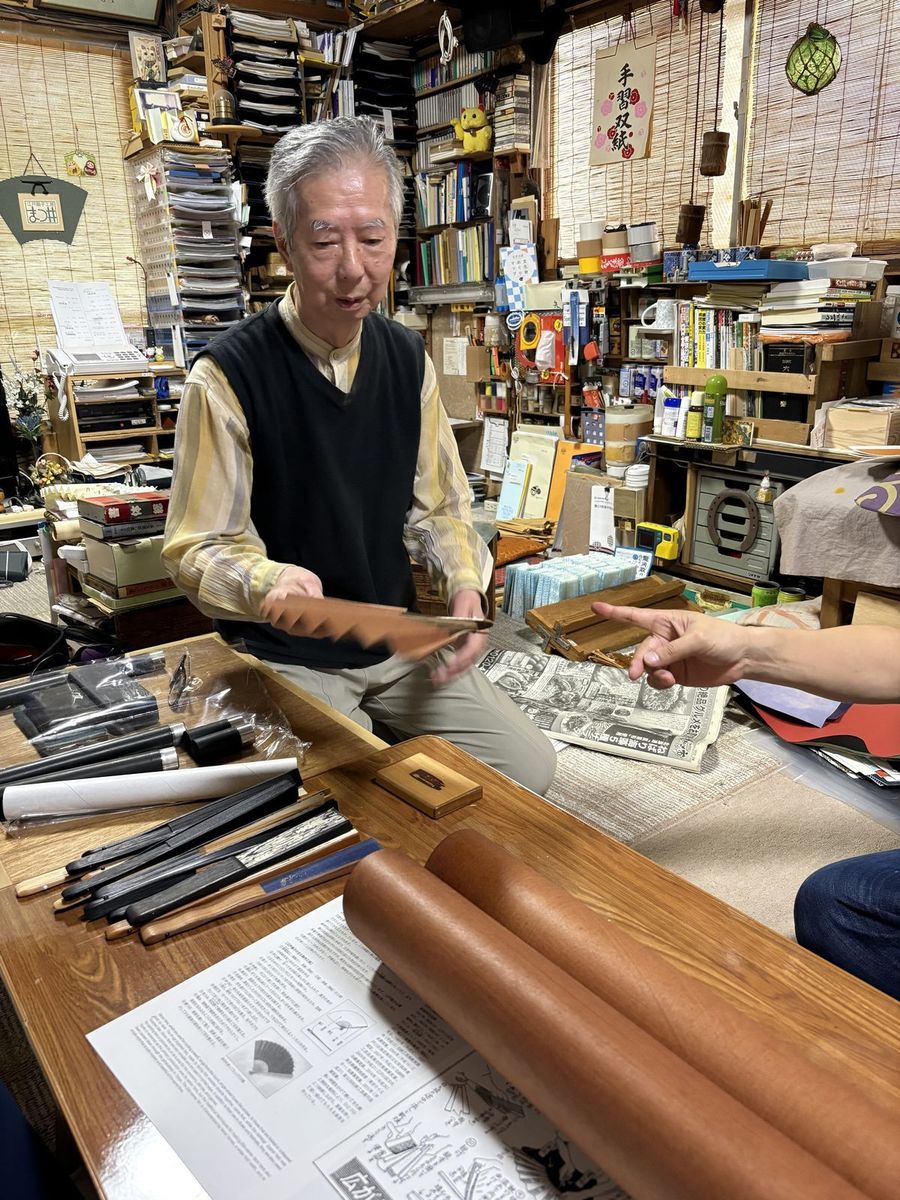
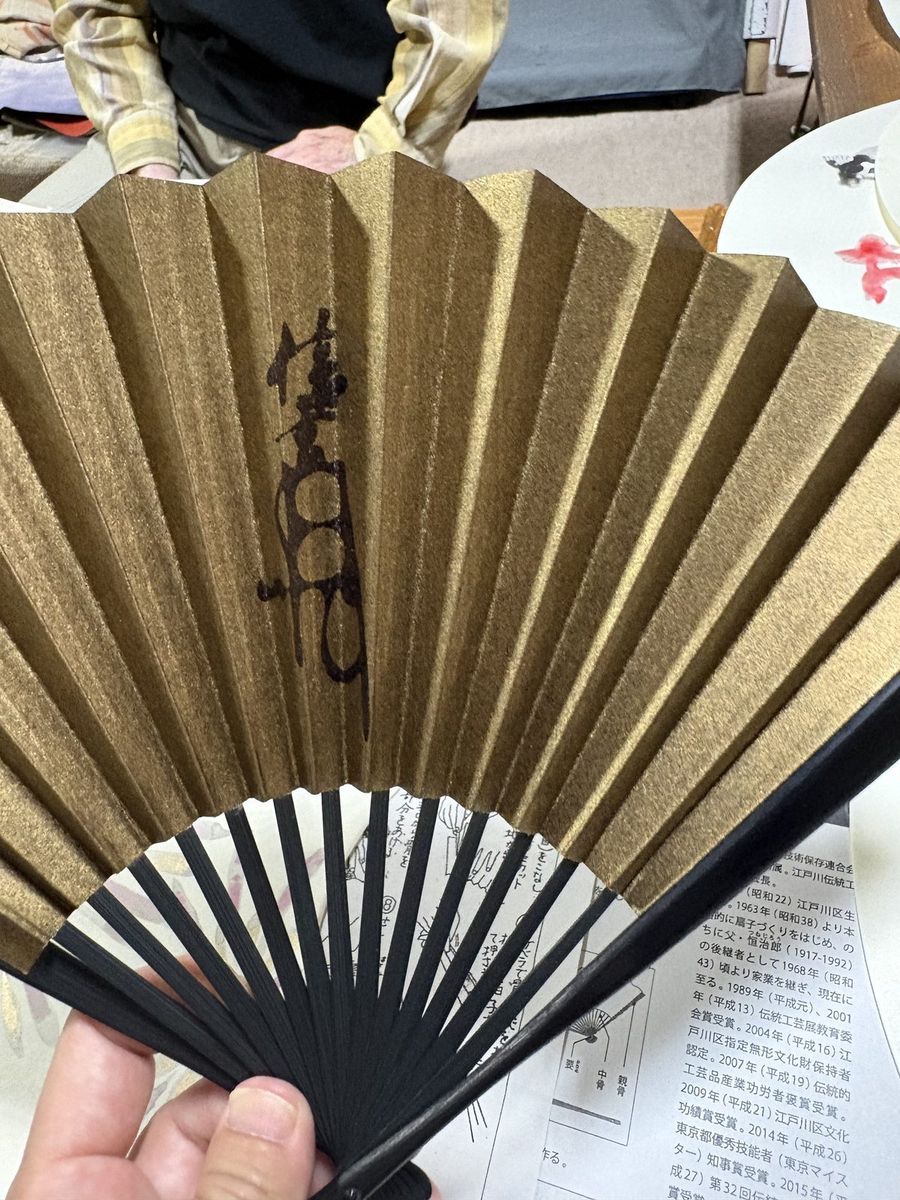
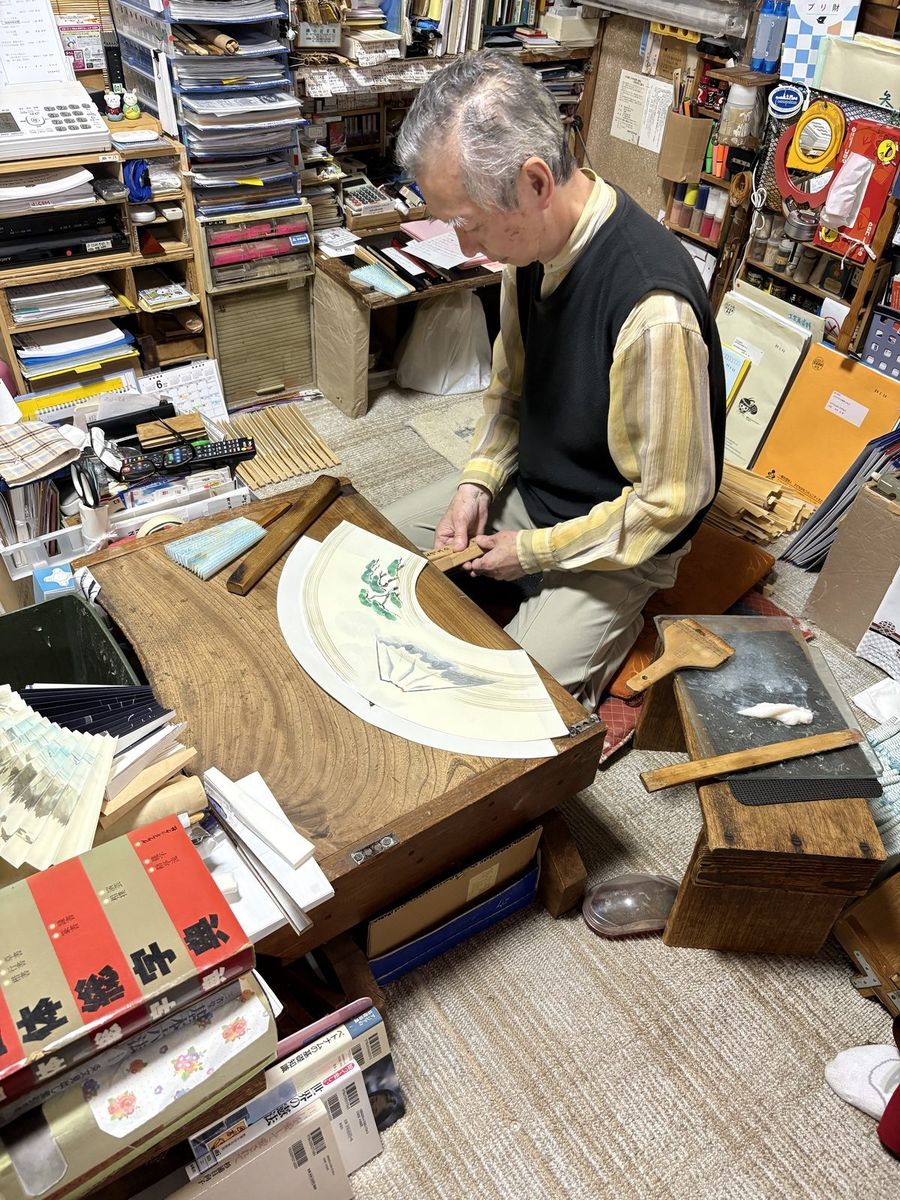
Hiroshi Matsui, of the Edo fan workshop Matsui. In 2004 he was registered as a holder of an Intangible Cultural Property designated by Edogawa City, Tokyo. Few artisans anywhere in Tokyo still make Edo fans, and in Edogawa City he is now the only one.
IV
One artisan helped another
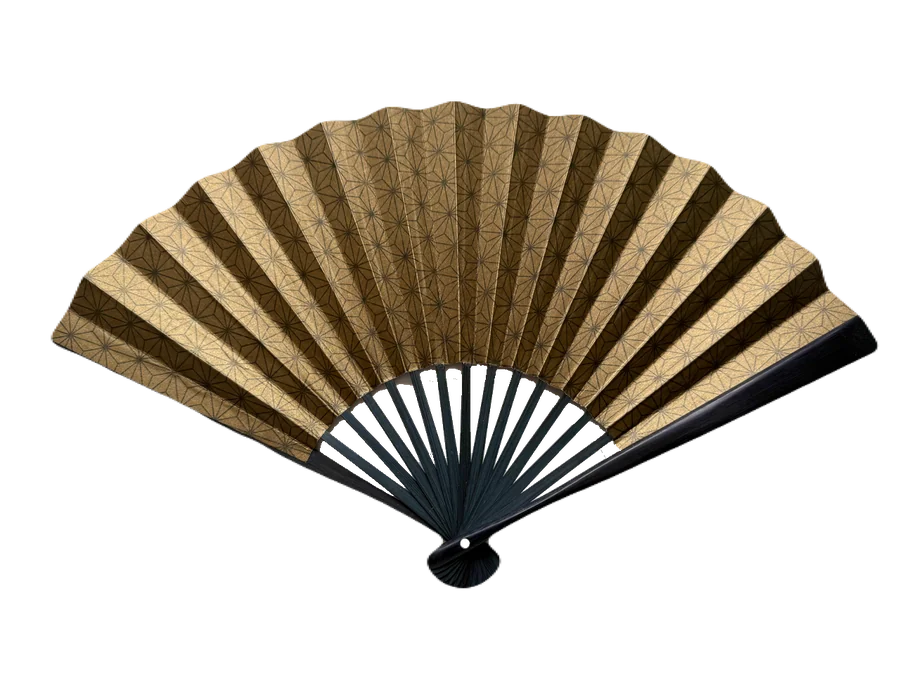
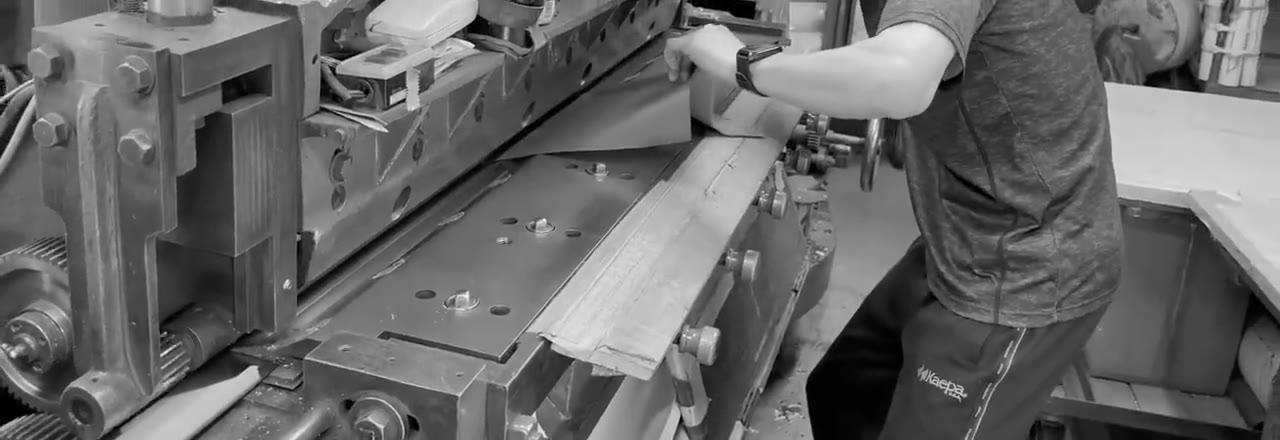
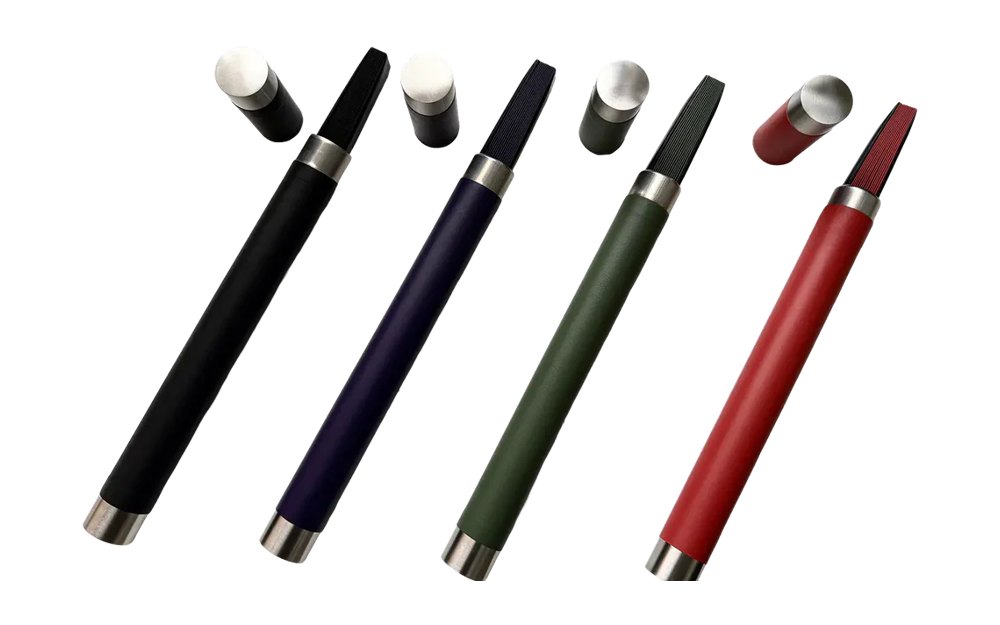
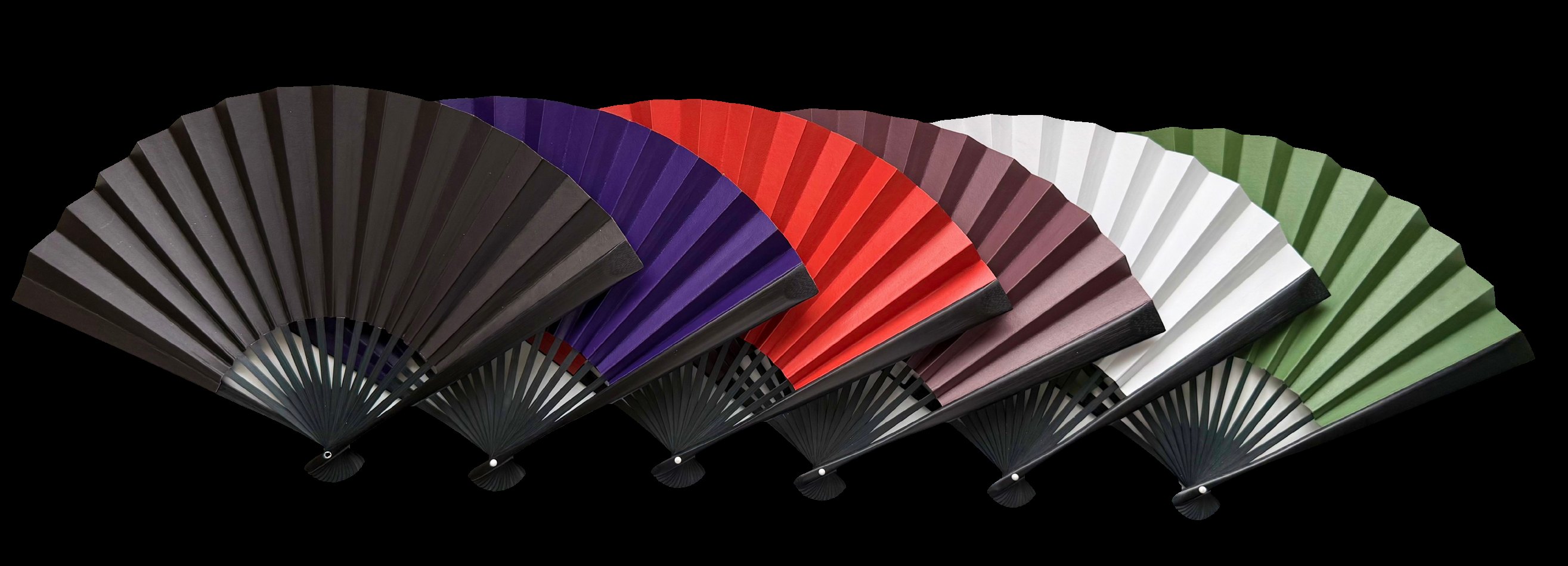
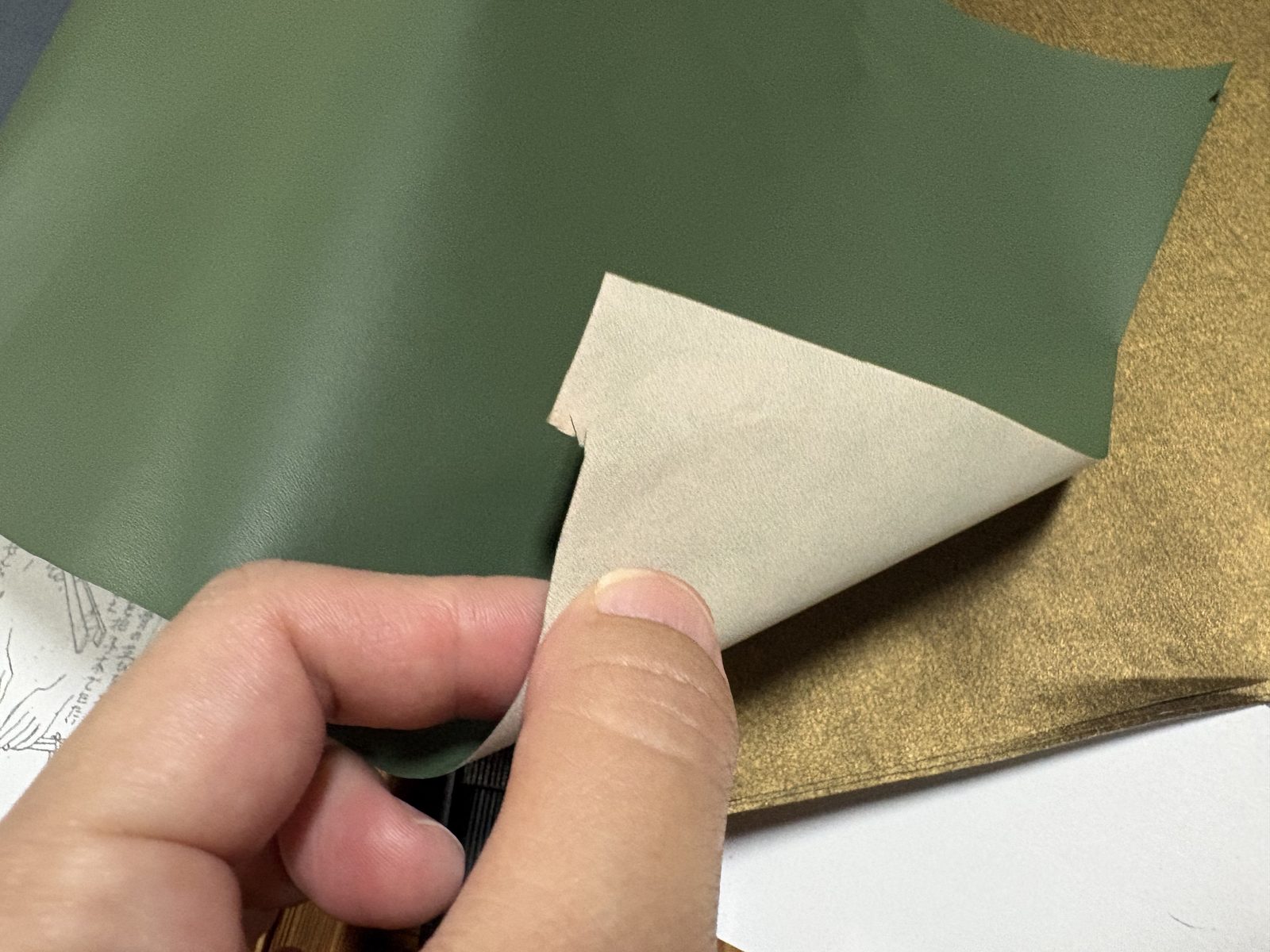
A fan made of leather. The leather artisans of Tokyo's shitamachi, the old riverside workshops of the city's east, shook their heads at first. Then they learned that in Edogawa only one person was left to carry the fan-making craft, and the mood in the room changed. After roughly a year of trial and error, a fan appeared faced with cowhide about 0.3 mm thick, as thin as paper.
The ones who raised their hands were the artisans of Katsushika Leather, a hundred-year-old workshop in the leather district between the Sumida and Edo rivers.
The full story of this meeting is told in an interview article (in Japanese) →